
🎯Too Long; Didn’t Read
Forget static ruins. Asia’s old towns are real, breathing places where history bleeds into the present. This list walks you through walkable-friendly gems: the Middle East’s Jerusalem, Byblos, and Yazd; South Asia’s Varanasi, Kathmandu Valley, and Anuradhapura; East Asia’s Xi’an, Kyoto, and Gyeongju. Each spot serves up its own blend of sacred lanes, aged quarters, and living culture.
To experience them properly – skip the tourist cliché. Move early. Plot your day by district, not checklist. Respect sacred spaces: cover up, ask before photos. Book nearby lodging. Return when the day-trippers vanish and the streets reclaim their quiet pulse.
What Makes a Town “Old” in Asia?
Dating the Past: Archaeology vs. Living Tradition
Asia’s so-called “old towns” can be deceiving. Dig up pottery shards, trace a wall line, carbon-date seeds – you get a date. Solid proof, but quiet proof. It pins a spot to the map. Doesn’t mean the place is actually buzzing.
The real pulse is elsewhere. It’s in the smoke from a shrine that’s still active today. The chatter in a market that’s never really moved. Skills handed down in the same workshop, generation to generation. Travelers pick up on this vibe immediately, even without seeing the deepest archaeological layer.
So here’s the take: treat those ancient dates as a blurred range. Treat the living practice as its own, separate kind of fact. For anyone visiting, you need both views to see the whole picture. The science anchors it, but the life defines it.
Continuous Settlement: Why It Matters for Travelers
A place can be ancient without becoming a museum. The key is continuous settlement – people sticking around. That daily grind, century after century, shapes everything: lanes wear underfoot, water systems adapt, spaces for worship and commerce push and settle against each other.
For a visitor, this isn’t about viewing ruins. You’re navigating someone’s commute, their shortcut, their quiet spot for prayer. That reality dictates the terms. Some alleys are strictly for residents, some courtyards demand silence, some spots are for locals doing errands. Move over, let them pass.
UNESCO, Legends, and Local Records: What to Trust
UNESCO listings signal which sites have documented protection plans. Their official descriptions tie together excavations, architecture, and history – perfect for cutting through travel-blog hype. But UNESCO is picky. Plenty of significant towns never make the list. That’s where local records come in: chronicles, temple archives, tax registers. These gain real weight when they mesh with actual archaeology.
Then there are legends. They might hold echoes of the past, but precision isn’t their strength. Dates? Rarely. Heard a claim about “the oldest in the world”? Suspect a sales pitch unless you can verify it on the ground. Always cross-reference with museum labels and physical evidence.
Ancient Cities of the Middle East You Can Still Walk Through
Jerusalem, Israel/Palestine: Layers of History in One Old City
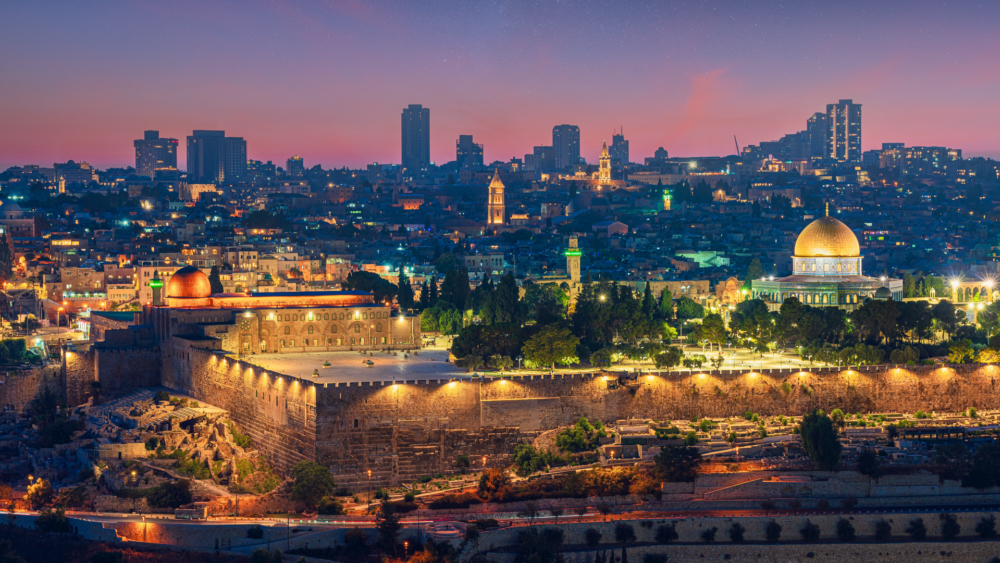
Jerusalem’s Old City feels dense, charged – anchored by three faiths. One walk takes you past the Western Wall, the Church of the Holy Sepulchre, and the gates to the Dome of the Rock. Its age isn’t just about years; it’s an accumulation. Centuries layer up. Stones get reused, alleyways rerouted, doorways cut into older walls. The place is packed with meaning, every step weighted.
Prepare for security screenings. Keep plans loose. Crowds materialize fast, especially weekends and holy days. Near prayer sites, cover shoulders and knees – no debate – and keep voices low. Get moving early to dodge the queues.
Byblos, Lebanon: Phoenician Roots and a Seaside Old Town
Byblos (Jbeil) isn’t merely old. It’s accumulated time – prehistoric huts stacked under Phoenician ports. This place defies categorization. Fingers brush against excavated stone; minutes later, the taste of bitter coffee in a bustling plaza. The transition jars, yet feels seamless.
Move beyond checklist tourism. Read the plaques, then wander. Let the pulse of the souk and the compact, working harbor pull you in – the clatter of daily commerce, the salt air. Wait. Stay after the tour buses leave. Shadows lengthen. Rhythm slows. The town breathes. In that quiet, the truth appears: not a frozen monument, but a living continuum. Ancient bedrock frames the laughter of fishermen mending nets.
Yazd, Iran: Desert Architecture, Windcatchers, and Zoroastrian Heritage
Yazd rises from the desert, a city of baked earth and shadow. Its structure is a direct response to the harsh climate: a tight maze of alleyways twisting for shade and privacy. Walking is the only way through. Each turn shifts the feel – a sudden courtyard, a blocked wind, a narrow passage opening to sky.
The architecture works silently. Below the surface, the qanat system channels water from distant mountains. Above, badgirs – windcatchers – trap any breeze to cool the interiors below. This is a city to be felt on foot, a lesson in adaptation. Move slowly. Carry water. Wear shoes that can handle crumbling plaster and sun-bleached stone.
South Asia’s Oldest Living Towns: Temples, Ghats, and Trade Routes
Varanasi, India: Sacred River Life and Timeless Alleys
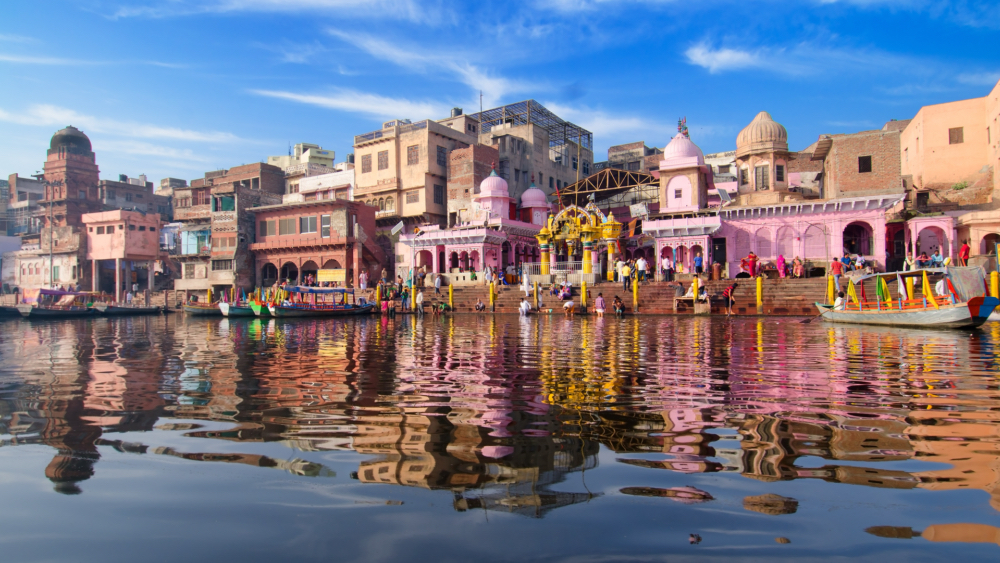
Varanasi operates on ancient rhythm. Its ghats dictate the daily cycle: predawn bathing, murmured prayers, the smoke of cremation pyres, the clatter of evening aarti bells. The labyrinth behind them thrums with chai stalls, mounds of temple marigolds, and shops selling sacred thread.
The sensory overload is real. Pick a single ghat – maybe Assi, maybe Dashashwamedh – and absorb it. Then, get on the water. A boat provides essential perspective, quieting the chaos to a panorama. Respect the mourning zones; maintain distance. And remember, small vendors only take rupees.
Kathmandu Valley, Nepal: Medieval Squares and Living Crafts
Kathmandu Valley’s heritage operates as a living network. It connects historic centers and sacred ground across the region, not just one old town. UNESCO protects seven monument zones: the Durbar Squares in Kathmandu, Patan, and Bhaktapur, plus the sites of Pashupati, Swayambhu, and Boudhanath.
The true value lies in observing daily rhythms within spaces originally meant for royalty and commerce. Watch metalworkers and woodcarvers. See potters at their wheels. Just show up in courtyards where ceremonies happen without posted schedules. Arriving early beats the crowds.
Small offerings at local shrines are standard practice. Respect marked viewing boundaries. Swap the ticket stub for entry.
Anuradhapura, Sri Lanka: Ancient Capitals and Monastic Ruins
Anuradhapura operates as both pilgrimage destination and historical expanse. Its monasteries, stupas, and reservoirs trace back to early Sinhalese kingdoms. UNESCO recognizes the city’s prolonged dual role – a sacred center and a political capital for over a millennium.
First visits underscore sheer scale. This isn’t a single compound. Travel between sites requires bike, tuk-tuk, or car; walking won’t suffice.
The Sri Maha Bodhi draws focus. This bodhi tree sprang from a cutting brought during the 3rd century BCE. Devotees maintain constant worship. Expect prayer lines, offerings, palpable devotion.
Practicalities: sun protection is non-negotiable. Carry water. Secure a bike rental – it changes everything. Move quietly near prayer lines.
East Asia’s Historic Urban Centers: Dynasties, Canals, and Old Quarters
Xi’an, China: From Silk Road Capital to Modern Gateway
For centuries, the city known as Chang’an served as a dynastic capital. Its position made it a vital nexus for the Silk Road. Modern Xi’an hasn’t buried that past; it’s simply layered over it. Cycle the perimeter of the colossal city wall. Later, lose yourself in the Muslim Quarter – a labyrinth alive with the hiss of sizzling woks and shouted haggling.
Most itineraries feature the Terracotta Army. These clay soldiers stand in silent ranks, protecting the tomb of the First Emperor, a UNESCO-listed site. Local museums provide context, but without the typical library solemnity. Nightfall triggers a shift. The real buzz ignites along packed food alleys, where historic pagodas and towers glow under modern floodlights. A necessary tip: book tickets for key attractions well ahead of time.
Kyoto, Japan: Preserved Districts and Ritual Seasons
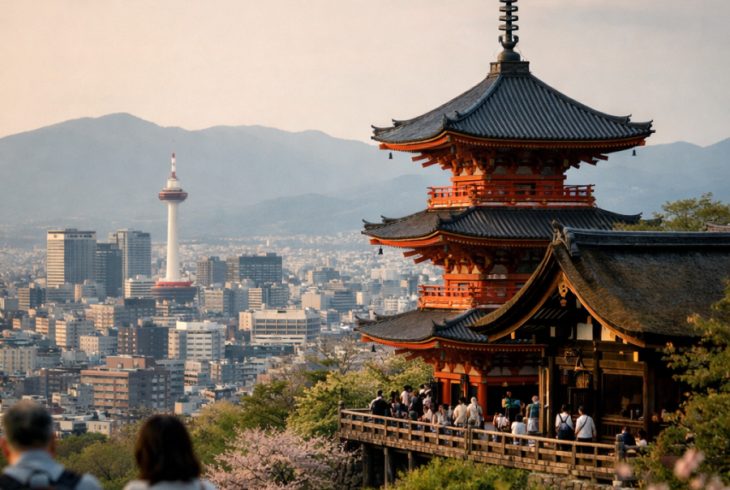
Kyoto anchored Japan’s imperial and cultural life from 794 onward – a millennium of heartbeats. Its UNESCO recognition sprawls: temples, shrines, a castle, across the city and beyond. Here’s the thing: visiting demands focus. The temples? Worthwhile, obviously. But the older, deeper Kyoto survives in places like Gion. Preserved streets and traditional shops there draw crowds, sure. Gets swamped.
A practical note on behavior: past tourist issues – overcrowding, disrespect – mean parts of Gion now restrict access. Camera etiquette isn’t a suggestion. Strategy becomes essential: arrive early, book key visits ahead, and schedule breaks deliberately.
Gyeongju, South Korea: Silla Kingdom Tombs and Temple Heritage
Gyeongju served as the Silla Dynasty’s capital. That history spills beyond any single fortress. UNESCO designates the entire scattered remains – the “Gyeongju Historic Areas” – a landscape of royal tombs, temple ruins, and artifacts tracing a thousand-year capital. Explore parks dotted with ancient burial mounds. The museum collections are insane.
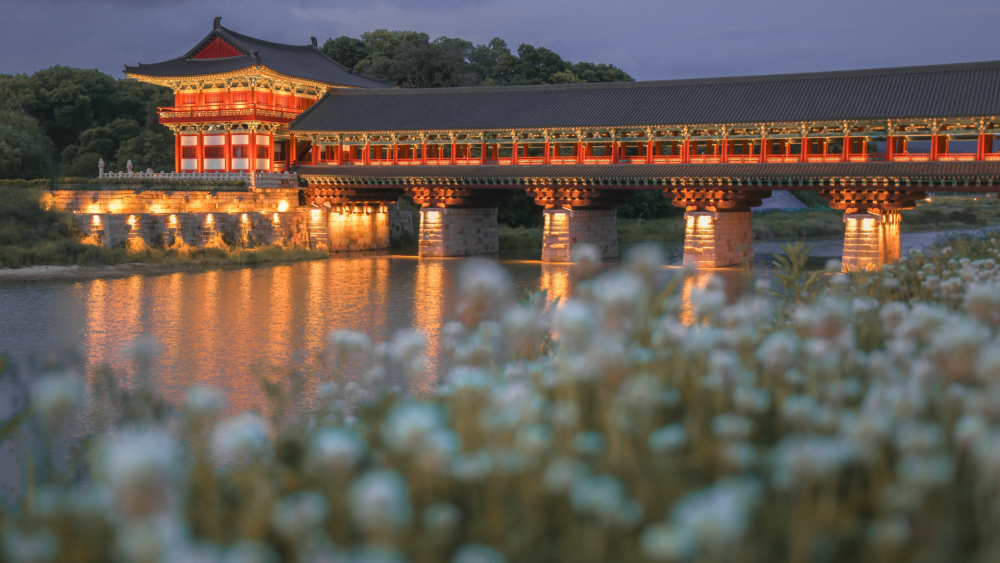
At dusk, Donggung Palace and Wolji Pond shift from quiet corners to vibrant focal points. The city moves differently, a deliberate counter-rhythm to Seoul’s frenzy or Busan’s chaos. It offers depth without the press of crowds. A bike unlocks it. Pack layers; weather shifts. Allocate a full afternoon to the museum. Rushing misses the point.
How to Visit Old Towns Responsibly (and Enjoy Them More)
Best Times to Go: Weather, Festivals, and Crowd Strategy
Old towns give up their secrets to wanderers, not to those battling crowds or summer heat. Skip the high season. Aim instead for shoulder months – spring or autumn across much of East Asia – or even winter for desert places like Yazd. Timing your day is everything. Start at dawn, not with an alarm clock. Retreat before the midday sun turns punishing. Return later, when lanes soak in golden light and food stalls hum back to life.
Festivals offer a powerful pull, but that spectacle trades solitude for swollen crowds and prices that rocket skyward; some gatherings remain strictly for locals. Visiting at peak times demands booking essentials early and staying loose with plans. But for the real, quiet immersion? That belongs to the still, weekday morning. It’s the difference between seeing a place and feeling it settle into your bones.
Cultural Etiquette: Dress Codes, Photography, and Sacred Spaces
Living heritage towns aren’t backdrops. Real life happens here. Your visit unfolds in someone else’s home, market, and place of worship. Dress codes – think shoulders and knees covered – signal respect, not style, particularly at sacred sites. Shoes come off. Always. Photography demands permission: never snap monks, pilgrims, or rituals without asking. Locals have limits.
In Kyoto’s Gion district, backlash against tourist conduct has led to “keep-out” signs in certain alleys. Maintain low volume. Keep pathways clear. Residents aren’t part of the scenery. “No photos” means exactly that – no exceptions. When uncertain, the only move is to ask.
Smart Planning: Routes, Day Trips, and Where to Stay
Old towns reward a bit of planning. Stay nearby – you’ll appreciate the quiet lanes early morning or after dusk, an advantage over a distant hotel. Group visits geographically: tackle a cluster of sights, hit a food quarter, take a museum break, then knock out. In Byblos, many visit from Beirut for the day, but staying overnight means seeing the harbor once the tour buses clear out.
For the Kathmandu Valley, choose one Durbar Square daily and pair it with a neighboring stupa or temple. Keep plans flexible, have small bills ready, and hire local guides where background details enrich the visit. Always factor in travel time between places.
❓FAQ❓
Do I need a guide, or can I explore these old towns on my own?
You can explore solo in most places, but a local guide helps a lot with context, hidden courtyards, and what not to do in sacred areas.
How many days do I actually need in each town to “get it”?
Plan at least 1–2 full days per destination; anything less turns into a rushed photo run.
Are these places accessible for travelers with mobility issues?
Many old quarters have uneven stones, steps, and narrow lanes, so accessibility varies — check specific site entrances and consider using taxis between clusters.


Leave a Reply